
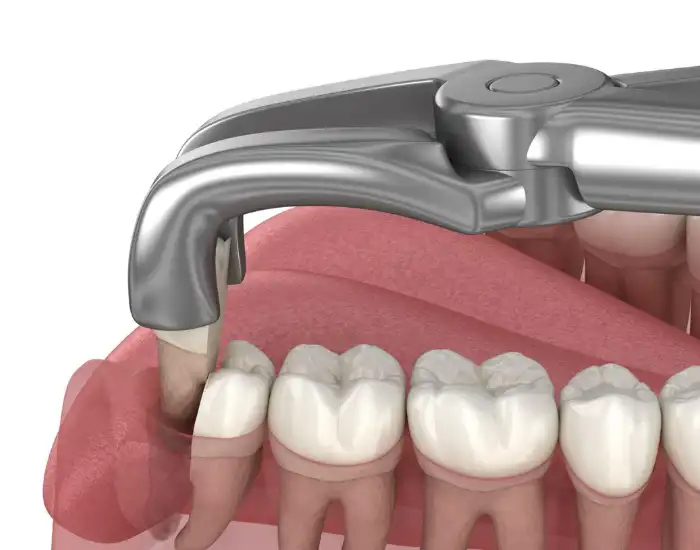
Tooth extraction is one of the most common dental procedures, yet it is often misunderstood and sometimes feared. Many patients worry that an extraction means something has gone seriously wrong or that the procedure will be painful. In reality, tooth extraction is often the best solution to protect your oral health, relieve pain, and prevent more serious complications. Understanding when and why a tooth extraction is necessary can help you feel more confident and prepared if your dentist recommends one.
Contents
- 1 What Is a Tooth Extraction?
- 2 Common Reasons Tooth Extraction Is Necessary
- 3 Simple vs. Surgical Tooth Extraction
- 4 Is Tooth Extraction Painful?
- 5 What Happens If a Tooth That Needs Extraction Is Left Untreated?
- 6 Recovery After Tooth Extraction
- 7 Replacing a Missing Tooth
- 8 When to See a Dentist
- 9 Final Thoughts
What Is a Tooth Extraction?
A tooth extraction is the removal of a tooth from its socket in the jawbone. Dentists view extractions as a last resort, meaning they are typically recommended only when a tooth cannot be saved with other treatments such as fillings, crowns, or root canal therapy. The primary goal of dentistry is always to preserve natural teeth whenever possible, but there are situations where removing a tooth is the healthiest option.
Common Reasons Tooth Extraction Is Necessary
- Severe Tooth Decay
- Advanced tooth decay is one of the leading reasons for extraction. When decay penetrates deep into the tooth and destroys a large portion of the structure, restoration may no longer be possible. If the infection reaches the pulp and compromises the surrounding bone, extraction may be necessary to prevent the spread of bacteria.
- Dental Infection or Abscess
- A tooth infection can sometimes be treated with a root canal, but if the infection is severe or has spread beyond the tooth, extraction may be required. Leaving an untreated infection can lead to swelling, intense pain, and even systemic health issues.
- Advanced Gum Disease
- Periodontal disease affects the gums and the bone that supports your teeth. In advanced stages, gum disease can cause teeth to become loose due to bone loss. When a tooth no longer has adequate support, extraction may be the only way to restore oral stability and prevent further damage.
- Cracked or Broken Teeth
- Not all cracked teeth need to be removed. However, if a crack extends below the gumline or splits the tooth into multiple pieces, it may not be repairable. In these cases, extraction helps prevent ongoing pain and infection.
- Impacted or Problematic Wisdom Teeth
- Wisdom teeth often lack sufficient space to emerge properly. Impacted wisdom teeth can cause pain, swelling, infection, and damage to neighboring teeth. Removing them can prevent recurring problems and protect overall oral health.
- Overcrowding or Orthodontic Treatment
- In some cases, extractions are performed to make room for proper tooth alignment. Orthodontic treatment may require removing certain teeth to achieve optimal spacing and long-term stability.
Simple vs. Surgical Tooth Extraction
There are two main types of tooth extractions:
- Simple extraction: Performed when the tooth is visible above the gumline. The dentist loosens the tooth and removes it using specialized instruments.
- Surgical extraction: Required when a tooth is broken, impacted, or still beneath the gumline. This procedure may involve a small incision in the gum and, in some cases, sectioning the tooth for easier removal.
Your dentist will determine which type of extraction is necessary based on your specific situation.
Is Tooth Extraction Painful?
One of the biggest concerns patients have is pain. Thanks to modern dental techniques, tooth extractions are typically far more comfortable than expected. Local anesthesia is used to numb the area completely, so patients usually feel pressure but not pain during the procedure. Sedation options may also be available for patients with anxiety or for more complex extractions.
After the procedure, some soreness and swelling are normal, but these symptoms are usually manageable with medication and proper aftercare.
What Happens If a Tooth That Needs Extraction Is Left Untreated?
Delaying a necessary extraction can lead to serious complications, including:
- Worsening pain and infection
- Spread of bacteria to nearby teeth or jawbone
- Increased risk of abscess formation
- More complex and costly treatment later
In emergency situations, prompt extraction can provide immediate relief and prevent further health risks.
Recovery After Tooth Extraction
Healing after a tooth extraction generally takes one to two weeks for the gums, although complete bone healing may take longer. During recovery, a blood clot forms at the extraction site to protect the bone and promote healing. Following your dentist’s aftercare instructions is essential to avoid complications such as dry socket.
Common recovery tips include:
- Avoid smoking or vaping
- Do not use straws for several days
- Eat soft foods and stay hydrated
- Keep the area clean without disturbing the clot
Most patients are able to return to normal activities within a few days.
Replacing a Missing Tooth
While extraction removes the source of pain or infection, replacing the missing tooth is often recommended. Leaving a gap can lead to shifting teeth, bite problems, and jawbone loss over time. Common tooth replacement options include dental implants, bridges, or partial dentures. Your dentist can help you determine the best option for your needs and long-term oral health.
When to See a Dentist
If you are experiencing persistent tooth pain, swelling, sensitivity, or signs of infection, it is important to seek dental care promptly. Early evaluation can sometimes prevent the need for extraction, but if removal is necessary, addressing the issue sooner often leads to a smoother procedure and faster recovery.
Final Thoughts
Tooth extraction is sometimes unavoidable, but it is often the most effective way to protect your oral health and relieve pain. Understanding when extraction is necessary—and what to expect before, during, and after the procedure—can make the experience far less intimidating. With modern dentistry, extractions are safe, routine, and focused on helping you return to a healthy, comfortable smile as quickly as possible.